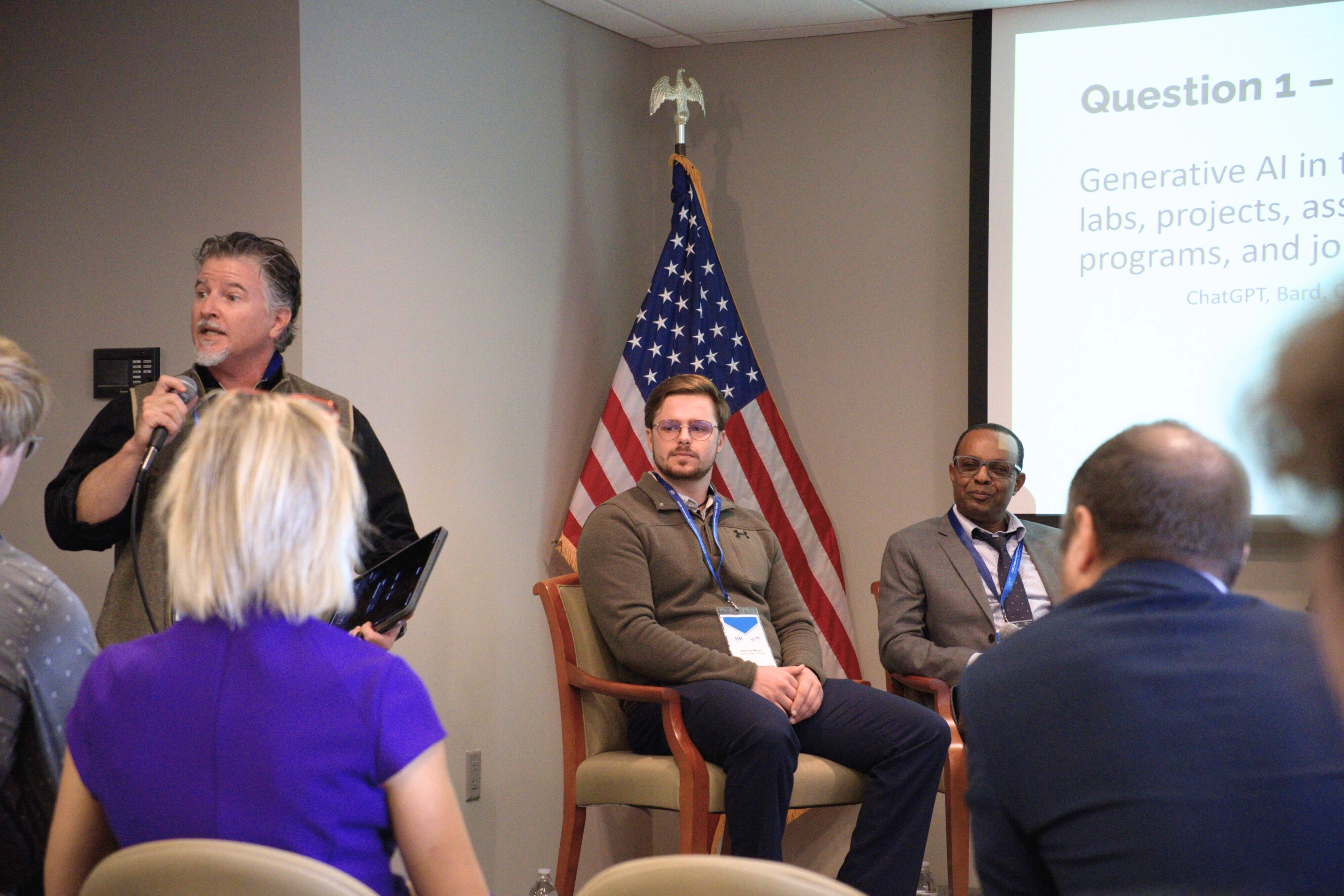
Your graduate coursework dives directly into the mechanics of next-generation artificial intelligence. Rather than stopping at predictive analytics or traditional software logic, you will engineer complex multi-agent systems and design sub-agent architectures capable of independent problem-solving. By utilizing advanced cloud-native frameworks, vector databases, and foundational models, you will master the art of transforming raw algorithms into functional, intelligent agents that automate complex, real-world tasks.
Program Overview
The Master of Science in Artificial Intelligence Engineering delivers the rigorous technical expertise needed to design and deploy complex, intelligent systems. Moving beyond foundational machine learning, the curriculum immerses students in advanced neural networks, autonomous agentic workflows, and the orchestration of large language models. Graduates emerge fully prepared to spearhead AI-driven initiatives, drive algorithmic innovation, and confidently lead specialized engineering teams.
Duration
2 Years
Flexible Schedule
Format ⓘ
Flexible
On-Campus
P-Hybrid
Credits
36
Total credit hours
Transfer Credit
Up to 9
From accredited institutions
Average Class Size
18
Students per class
Your Journey Starts Here
The artificial intelligence revolution is no longer just about training models; it is about engineering intelligent, autonomous ecosystems. Positioned in the vibrant tech corridor of Washington, D.C., our master’s program connects ambitious innovators with elite industry practitioners. This rigorous academic track is purpose-built to move you beyond basic data science. You will master the orchestration of large language models, the deployment of autonomous agentic workflows, and the integration of AI into enterprise-grade products, preparing you to lead the next generation of technological breakthroughs.
ORCHESTRATING AUTONOMOUS SYSTEMS
COMPETITIVE INNOVATION & R&D
True AI expertise is forged in the crucible of rapid development and applied research. Our ecosystem pushes you to test your models in high-stakes environments. You will collaborate with elite peers to build specialized tools, such as voice-enabled financial agents, and tackle complex challenges in global AI hackathons. With dedicated access to our Cyber Edge Innovation Hub (CEIH) Lab and opportunities to showcase your expertise at BAU Innovate and DevFest 2026, you will actively bridge the gap between academic theory and commercial AI application.
ARCHITECTING THE AI-FIRST ENTERPRISE
Transitioning from an AI practitioner to a technology leader requires deep strategic technical ownership. In your intensive capstone projects, you will own the end-to-end development of sophisticated AI pipelines, integrating powerful industry tools like Bedrock to solve genuine bottlenecks. You will graduate not just as a developer, but as a visionary AI Architect backed by an international network, ready to lead cross-functional teams and drive the strategic implementation of artificial intelligence at top-tier global tech firms.
Your Dream Career Awaits
At BAU, applied R&D and advanced industry practicums play a crucial role in linking artificial intelligence theory with enterprise practice. These experiences allow graduate students to collaborate with tech leaders to orchestrate autonomous systems, design complex neural networks, and solve high-level machine learning challenges. With the introduction of the Cyber Edge Innovation Hub, students have the opportunity to utilize powerful computing resources, work with AI experts through professional mentorship, and leverage experiential learning, including competitive AI hackathons and campus initiatives, to confidently launch their own intelligent tech ventures.
$171,200
2024 Median Pay*, Computer and Information Systems Manager
$140,910
2024 Median Pay*, Computer and Information Research Scientist
Other Career Opportunities: Principal Machine Learning Specialist • Chief Technology Officer (CTO) • Lead AI Engineer • Multi-Agent Systems Architect • Director of AI Engineering • Generative AI Specialist • NLP (Natural Language Processing) Engineer
*Source: U.S. Bureau of Labor Statistics.
Program Curriculum
Advanced curriculum designed for real-world artificial intelligence challenges
36+
Credit Hours
40+
Courses
Tuition & Financial Aid
A great education shouldn’t mean a lifetime of debt.
Get a transparent, personalized estimate of your total cost, including tuition, fees, housing, and more, so you can plan with confidence.
Financial Aid Options
Check out here for more scholarship & tuition assistance programs
Tuition Assistance
Up to $30,000
DMV Tuition Assistance
Up to 60%
Payment Plans
0% interest
Application Deadlines
Rolling admissions with multiple intake periods throughout the year. Domestic and transfer applications may continue to be reviewed after these deadlines on a rolling basis, subject to program availability. New students must complete registration by the census date for the applicable term; otherwise, they will not be eligible to register.
Fall 2026
Spring 2027
Summer 2027
Real Students. Real Success.
Meet Your Program Chair
In this highly connected world, technology leaders must think innovatively and act responsibly. Our faculty incorporates critical topics such as intelligent systems design, secure network architectures, and global data strategies, preparing students to make technical decisions aiming not only toward optimal system performance but also to make a positive, lasting impact on the digital environment and society.
Pipop Nuangpookka, Ph.D.
Chair of the Information Sciences and Engineering
EDUCATION
Doctor of Science in Cybersecurity
RESEARCH FOCUS
Non-Destructive Method of Detecting Hardware Attack, PII Security Controls, Web Server Protection, and Bilingual Translator Programming
HIGHLIGHTS
-
- Co-authored scholarly papers published in the Journal of Computing Sciences in Colleges/ACM digital library
- Key publications include “Hardware-Tampering Security Risks in the Supply Chain” and “Fileless Malware and Programmatic Method of Detection”
Pipop Nuangpookka, Ph.D.
Chair of the Information Sciences and Engineering
EDUCATION
Doctor of Science in Cybersecurity
RESEARCH FOCUS
Non-Destructive Method of Detecting Hardware Attack, PII Security Controls, Web Server Protection, and Bilingual Translator Programming
HIGHLIGHTS
-
- Co-authored scholarly papers published in the Journal of Computing Sciences in Colleges/ACM digital library
- Key publications include “Hardware-Tampering Security Risks in the Supply Chain” and “Fileless Malware and Programmatic Method of Detection”
TAKE THE FIRST STEP TOWARDS CRAFTING YOUR STORY!
Contact Our Admissions
Officers Today!
- Personalized Guidance
Our admission officers guide you to the right programs. - Timely Responses
Swift and informative communication for a stress-free admission journey. - Exclusive Insights
Access exclusive updates, events, and opportunities at BAU.