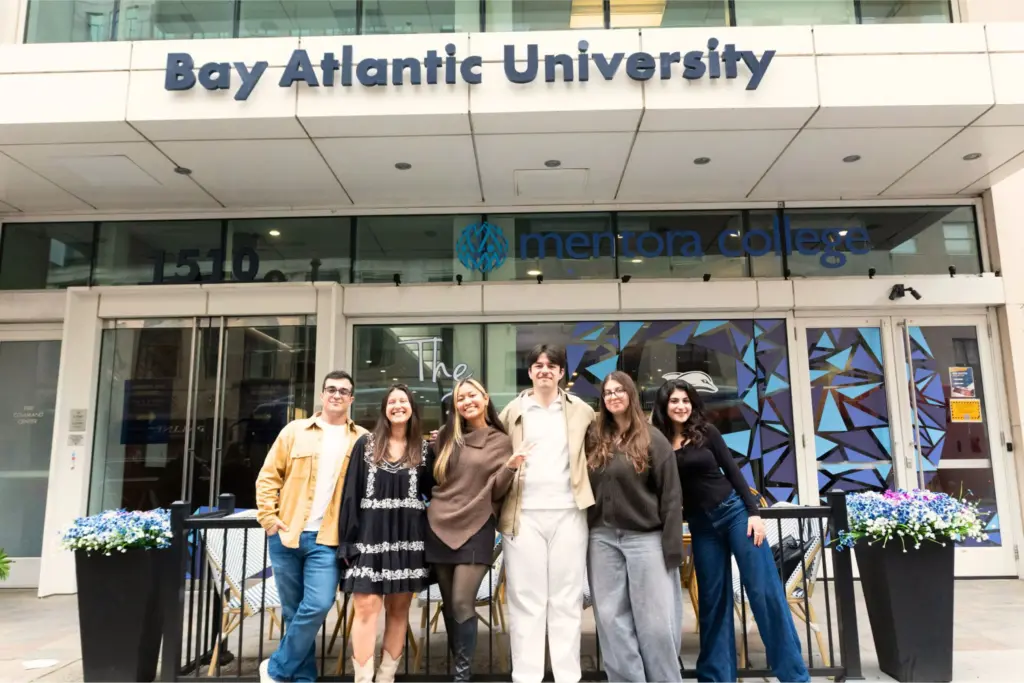
A New Generation University
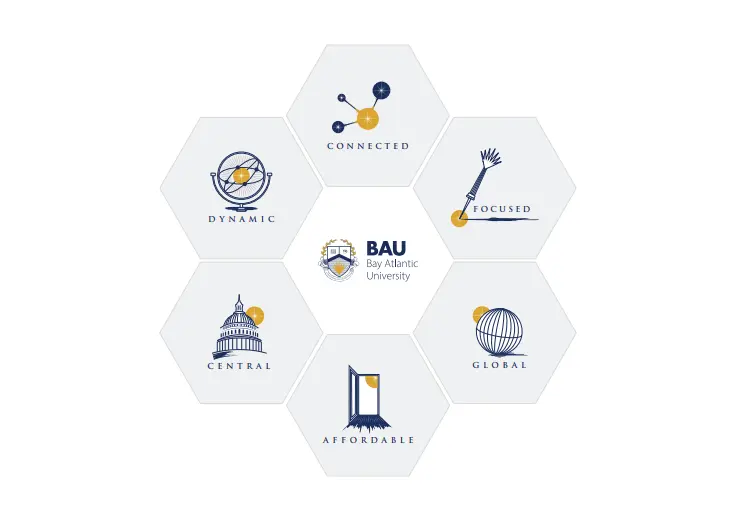
BAU was built on a single premise: higher education should be affordable, relevant, and within reach. Six core principles — Affordable, Focused, Global, Connected, Central, and Dynamic — aren’t marketing language. They’re the operating model.
What Makes BAU Different
BAU isn’t defined by a single program or a single type of student. It’s defined by something harder to replicate: a deliberate approach to higher education built on six principles — Affordable, Focused, Global, Connected, Central, and Dynamic. What follows shows what those principles look like in practice.
Central & Connected: Washington, D.C. Is Your Classroom
Most universities are located in cities. BAU is woven into one.
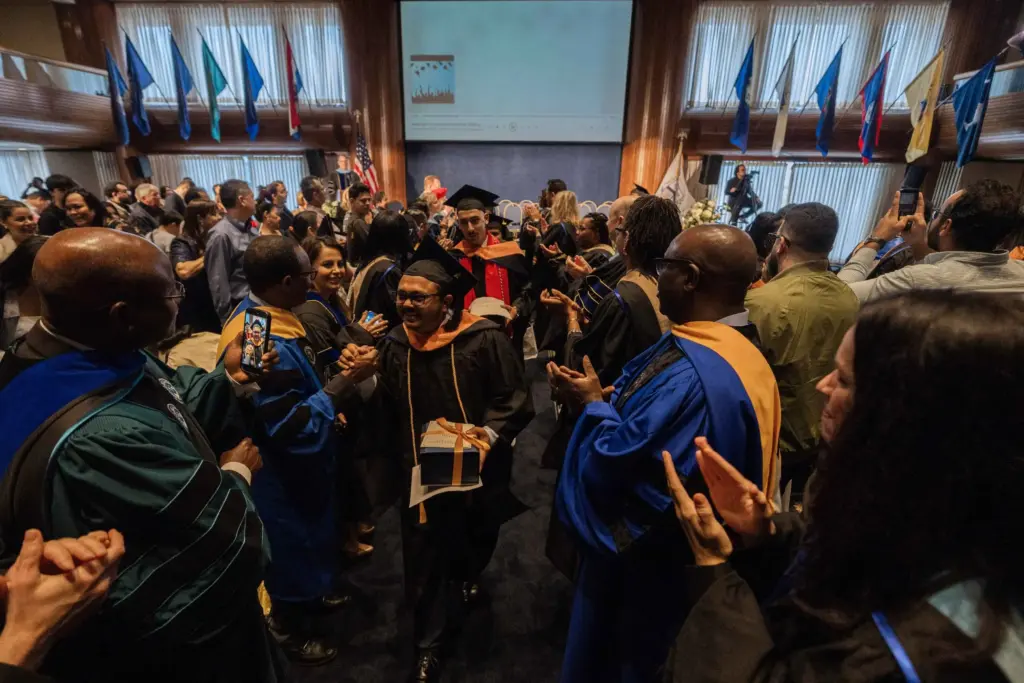
Faculty include former U.S. diplomats, State Department cybersecurity practitioners, and think-tank advisors. High school students earn college credits through dual enrollment with DC Public Schools. The Class of 2026 walked at the National Press Club. Students don’t study in Washington, D.C. — they engage with it, gaining direct access to federal agencies, embassies, and global institutions including the World Bank, the International Monetary Fund, and the Inter-American Development Bank.
At BAU, the city isn’t context — it’s coursework.
Global: A Community Built Across Borders, Rooted in Purpose
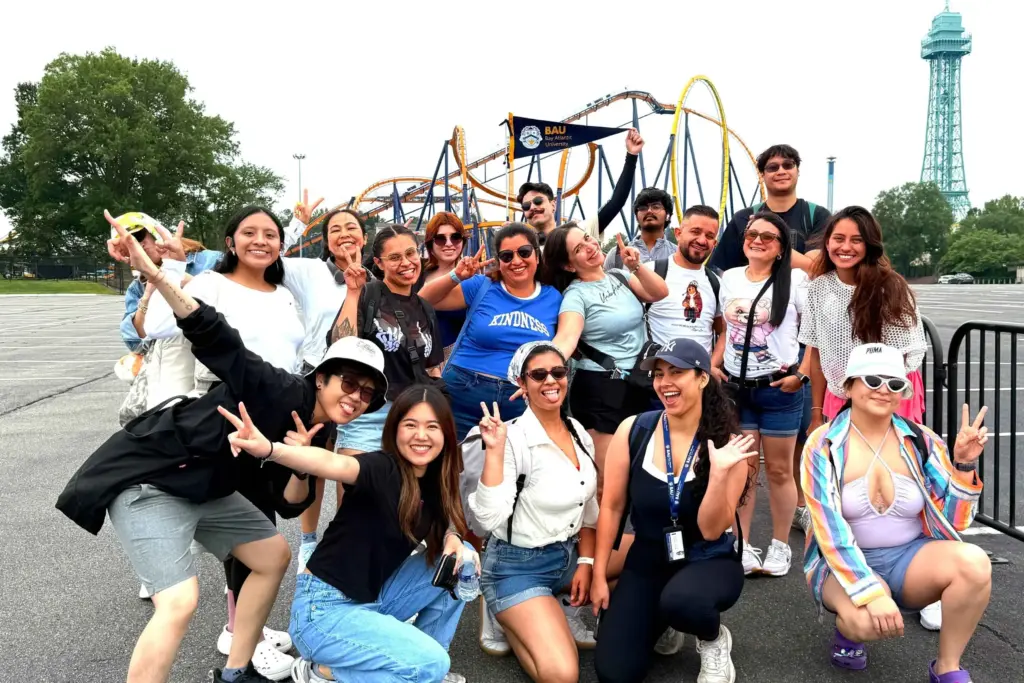
BAU enrolls students from more than 40 countries. That’s not a statistic — it’s a structural identity.
International perspective isn’t treated as a secondary feature at BAU. It’s central to how the institution thinks, teaches, and operates. Students arrive from across the globe, engage with one another’s lived experience, and leave equipped to strengthen the economic and civic infrastructure of their home communities. The goal isn’t just a degree. It’s purpose-driven leadership — with reach that extends well beyond graduation.
Focused & Dynamic: STEM Education Built for the Real World
The industries shaping the next decade — cybersecurity, AI, data analytics, cloud computing — move fast. BAU moves with them.
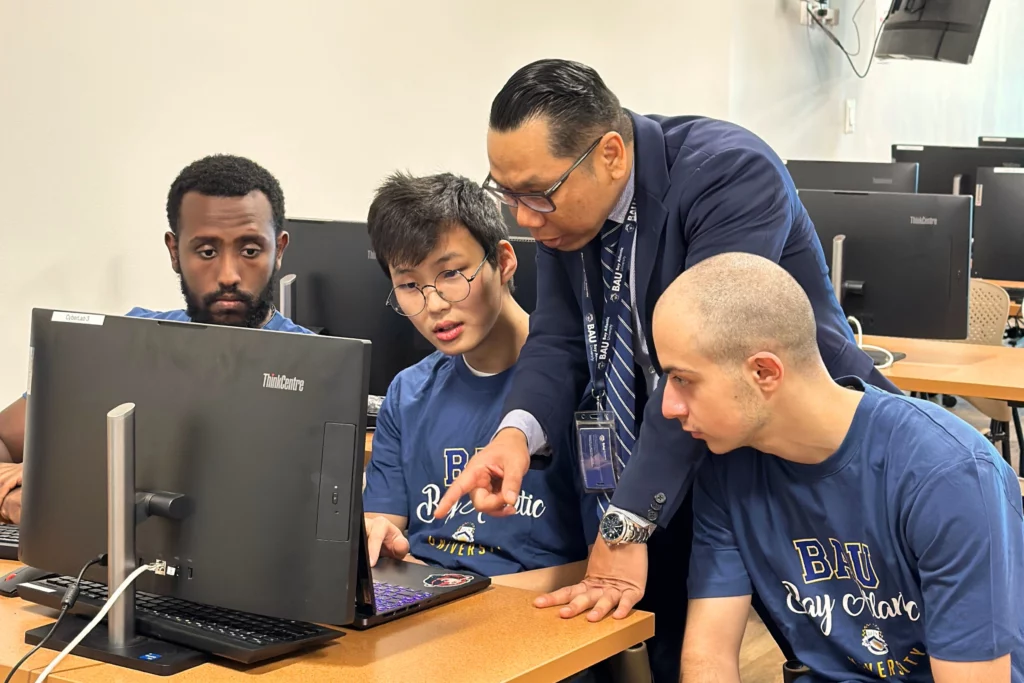
The School of Information Science and Engineering (SISE) and facilities like the CyberEdge Innovation Hub give students hands-on access to the tools and environments they’ll encounter in their careers. Every course is taught by scholar-practitioners — people who don’t just study their fields, but work in them. The curriculum reflects current industry trends, not last decade’s textbooks.
Affordable: By Design, Not by Accident
Many universities talk about access. BAU builds it into the model.
Annual undergraduate tuition stands at $19,950. Graduate tuition is $23,400. BAU is among the most affordable non-profit universities in the DC area — and that’s not where the commitment ends. 75% of freshmen receive financial aid. BAU covers up to 60% of tuition costs. More than $18.5 million in scholarships and tuition assistance has been awarded since 2014. The goal is to graduate students without the weight of debt — and the numbers make that goal measurable.
BAU treats affordability as an institutional value, not a discount strategy. Education should launch a life, not mortgage it.