
- Personalized Guidance
Our admission officers guide you to the right programs. - Timely Responses
Swift and informative communication for a stress-free admission journey. - Exclusive Insights
Access exclusive updates, events, and opportunities at BAU.

Program Overview
Writing software is not about typing isolated syntax—it is about engineering resilient, production-grade applications that perform under load. The Certificate in Software Engineering delivers a focused, rigorous curriculum across the complete Software Development Life Cycle (SDLC). Located steps from the White House, federal tech corridors, and global enterprise headquarters, the program provides immediate technical upskilling without delay. Students learn to architect, build, test, and maintain robust codebases that resolve high-stakes operational challenges across technology firms, government agencies, and enterprise organizations.
Duration
1 Year
Flexible Schedule
Format ⓘ
Flexible
On-Campus
Online
Credits
18
Total credit hours
Average Class Size
18
Students per class
Your Journey Starts Here
A technical credential should deliver operational command, not basic familiarity. At Bay Atlantic University, technical training connects directly to the codebases, toolchains, and engineering teams powering modern industry. Here, the capital’s tech ecosystem isn’t context—it’s coursework.
01
SOFTWARE DEVELOPMENT & CODING
Mastering software engineering requires shipping functional code, not passive tutorials. The curriculum moves students immediately past introductory logic into core engineering mechanics: object-oriented design, algorithmic complexity, data structures, and modern API architecture. Working inside the CyberEdge Innovation Hub, students write, refactor, and test production-grade applications from the ground up—integrating modern frameworks, database backends, and intelligent services under production constraints.


02
SYSTEM DESIGN & BEST PRACTICES
True engineering competence goes beyond functional code—it demands robust system architecture, defensive programming, and automated quality assurance. Students learn to dismantle architectural bottlenecks, implement CI/CD pipelines, and enforce industry-standard testing protocols to ensure system stability. Guided by scholar-practitioners who build enterprise platforms across D.C.’s commercial and public sectors, you master the collaborative workflows and agile practices required to contribute to live engineering sprints.
03
ACCELERATED DEGREE PATHWAYS
Education should build momentum, not create dead ends. Designed for immediate workforce impact, this certificate delivers targeted technical capabilities while serving as an integrated academic foundation. All 18 core credits earned transfer directly into BAU’s Bachelor of Science in Software Engineering (BSSWE). Backed by NECHE accreditation, students gain a market-recognized credential today while securing an accelerated, debt-conscious pathway toward a full engineering degree tomorrow.
Your Dream Career Awaits
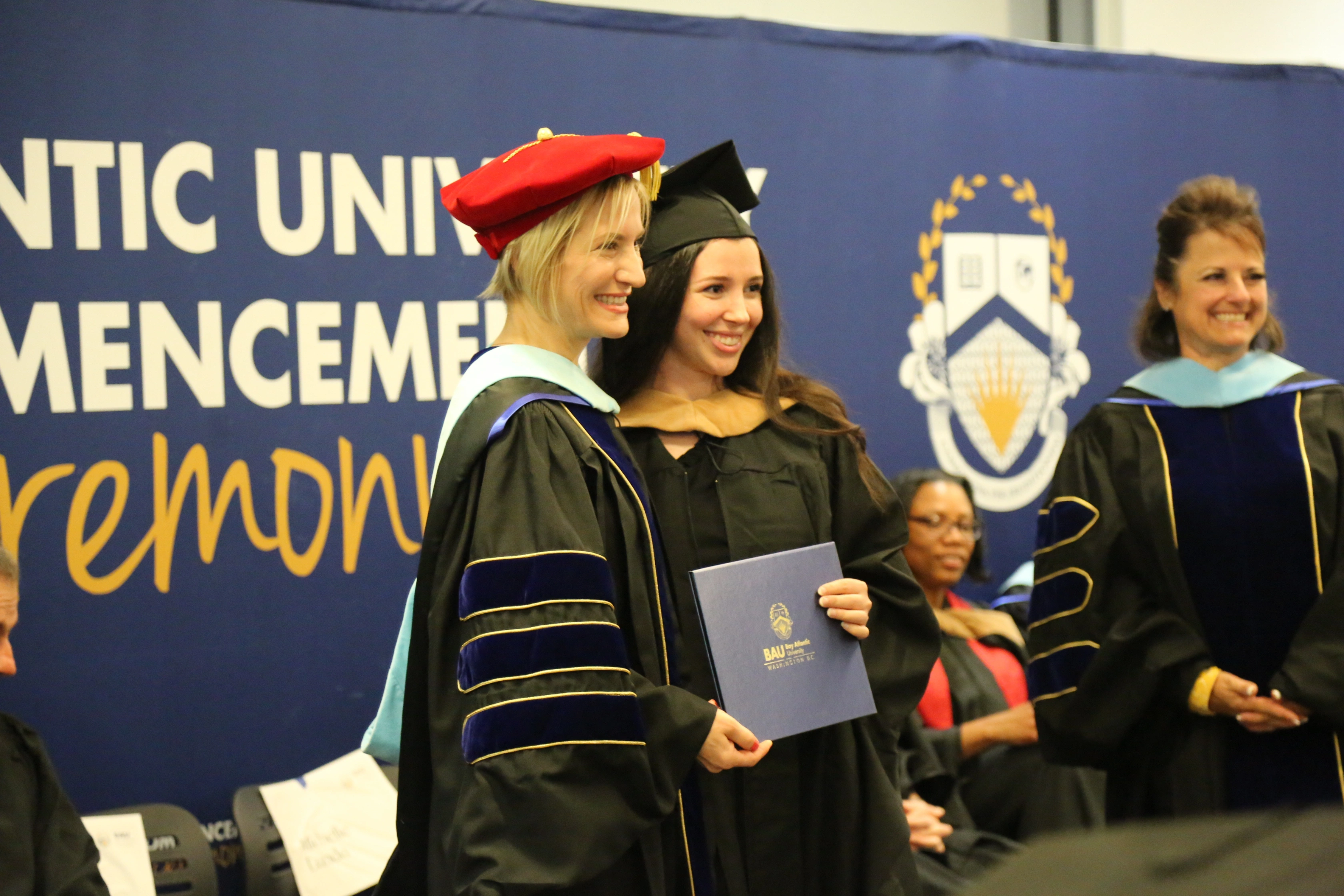
At BAU, located at the nation’s doorstep, you will have direct access to internships, networking, and job opportunities that can accelerate your career. Hands-on learning experiences allow you to work with industry-relevant projects across the full Software Development Life Cycle (SDLC) to design, build, test, and maintain robust applications. Through the Cyber Edge Innovation Hub, students have the opportunity to utilize powerful computing resources and leverage experiential learning to build the specific skills employers demand. With organizations increasingly relying on software engineering, your skills will be in high demand, opening doors to a variety of tech-driven roles.
$100,390
2025 Median Pay*, Computer Programmers
$134,040
2025 Median Pay*, Software Development Engineer
Other Career Opportunities: Software Engineer • Front-End Engineer • Back-End Engineer • DevOps Engineer • Web Developer
*Source: U.S. Bureau of Labor Statistics.
Explore Career ServicesTake the First Step
Program Curriculum
Comprehensive curriculum designed for real-world engineering challenges
18+
Credit Hours
2
Bachelor’s Pathways
40+
Courses
Bachelor of Science in Information Technology
Bachelor of Science in Information Technology
Bachelor of Science in Software Engineering
Bachelor of Science in Software Engineering
Tuition & Financial Aid
A great education shouldn’t mean a lifetime of debt.
Get a transparent, personalized estimate of your total cost, including tuition, fees, housing, and more, so you can plan with confidence.
Financial Aid Options
Check out here for more scholarship & tuition assistance programs
Tuition Assistance
Up to $30,000
DMV Tuition Assistance
Up to 60%
Payment Plans
0% interest
Application Deadlines
Rolling admissions with multiple intake periods throughout the year. Domestic and transfer applications may continue to be reviewed after these deadlines on a rolling basis, subject to program availability. New students must complete registration by the census date for the applicable term; otherwise, they will not be eligible to register.
Open
Spring 2027
Start Date
January 19, 2027
Deadline to Apply
December 1, 2026
Coming Soon
Summer 2027
Start Date
June 1, 2027
Deadline to Apply
April 1, 2027
Future
Fall 2027
Start Date
August 18, 2027
Deadline to Apply
July 1, 2027
Meet Your Program Chair
In this highly connected world, technology leaders must think innovatively and act responsibly. Our faculty incorporates critical topics such as intelligent systems design, secure network architectures, and global data strategies, preparing students to make technical decisions aiming not only toward optimal system performance but also to make a positive, lasting impact on the digital environment and society.
Pipop Nuangpookka, Ph.D.
Chair of the Information Sciences and Engineering
EDUCATION
Doctor of Science in Cybersecurity
RESEARCH FOCUS
Non-Destructive Method of Detecting Hardware Attack, PII Security Controls, Web Server Protection, and Bilingual Translator Programming
HIGHLIGHTS
-
- Co-authored scholarly papers published in the Journal of Computing Sciences in Colleges/ACM digital library
- Key publications include “Hardware-Tampering Security Risks in the Supply Chain” and “Fileless Malware and Programmatic Method of Detection”

Pipop Nuangpookka, Ph.D.
Chair of the Information Sciences and Engineering
EDUCATION
Doctor of Science in Cybersecurity
RESEARCH FOCUS
Non-Destructive Method of Detecting Hardware Attack, PII Security Controls, Web Server Protection, and Bilingual Translator Programming
HIGHLIGHTS
-
- Co-authored scholarly papers published in the Journal of Computing Sciences in Colleges/ACM digital library
- Key publications include “Hardware-Tampering Security Risks in the Supply Chain” and “Fileless Malware and Programmatic Method of Detection”