
Table of Contents
- What Are Global Career Skills?
- Why Global Career Skills Matter for International Graduates
- 7 Key Global Career Skills Employers Expect from International Graduates
- How to Develop Your Global Career Skills as an International Student
- How to Show Your Global Career Skills to Employers
- Common Mistakes International Graduates Make When Talking About Their Global Career Skills
- Final Thoughts: Turning Your Global Career Skills into Real Opportunities
- FAQ: Global Career Skills for International Graduates
For many international graduates, the real challenge begins after graduation: turning a hard-earned degree into a global career. Diplomas and GPAs still matter, but employers are increasingly hiring based on global career skills, the practical abilities that help you work across cultures, time zones, and ways of thinking.
In this guide, we will break down what global career skills are, why they matter so much for international graduates, and the 7 key skills employers expect to see. You’ll also find practical ideas on how to build these skills during your studies and how to show them clearly on your CV, LinkedIn profile, and in interviews.
What Are Global Career Skills?
Global career skills are the combination of abilities that help you work effectively in international, multicultural, and cross-border environments.
They are not just about speaking English or having “international experience” on your CV. They include:
-
Soft skills like communication, teamwork, and adaptability
-
A global mindset, meaning curiosity, cultural awareness, and openness
-
Practical skills such as digital literacy, remote collaboration, and problem-solving
Imagine you’re working on a project with teammates from three different countries, in two time zones, for a client in another part of the world. Global career skills are what help you communicate clearly, navigate cultural differences, stay organized, and still deliver results.

Why Global Career Skills Matter for International Graduates
As an international graduate, you already bring valuable experience: you’ve studied in a different country, adapted to a new system, and managed life far from home. Employers see potential in that – but only if you can translate your experience into clear global career skills.
These skills matter because they help you:
-
Compete with local candidates who may understand the local job market better
-
Stand out in competitive roles, especially where visas or sponsorships are limited
-
Grow beyond entry-level positions by showing you can handle responsibility in diverse environments
Employers don’t just want someone who “studied abroad.” They want someone who can lead a multicultural team, handle global clients, and represent the organization across borders. That’s why learning how to build and communicate your global career skills is so important.
7 Key Global Career Skills Employers Expect from International Graduates
1. Cross-Cultural Communication
Being able to communicate across cultures is one of the most important global career skills.
This doesn’t just mean speaking English or another language. It means:
-
Listening carefully and asking clarifying questions
-
Not making assumptions about what others “should” understand
-
Being aware of tone, non-verbal cues, and different communication styles
For example, in some cultures people are very direct, while in others they’re more indirect and polite. If you can adjust your style depending on who you’re talking to, you become someone who can connect people and prevent misunderstandings, a big advantage in any global team.
2. Adaptability and Resilience
Studying abroad almost forces you to develop adaptability: new city, new rules, new education system. Employers love this – but you have to show it clearly.
Adaptability and resilience look like:
-
Staying calm when plans change suddenly
-
Adjusting to new tools, new supervisors, or new expectations
-
Learning from mistakes instead of getting discouraged
In a global workplace, projects may shift direction; teams may reorganize, or you may have to work with clients in completely unfamiliar industries. If you can adapt without losing motivation, you’re showing a powerful global career skill.
3. Critical Thinking and Problem-Solving
Global companies need people who can think critically and independently, analyze complex information, and find solutions, not just follow instructions.
As an international graduate, you can show this skill by:
-
Explaining how you handled a project challenge with limited time or resources
-
Describing how you compared different options and chose the best one
-
Talking about how you improved a process or solved a recurring problem
Problem-solving is especially valuable in cross-cultural settings, where misunderstandings, time zone issues, and different expectations are common. When you can solve these smoothly, you become someone employers trust.

4. Collaboration in Diverse Teams
In most global roles, you won’t be working alone. You’ll be part of teams that mix people from different backgrounds, roles, and countries.
Key elements of good collaboration include:
-
Reliability – doing what you promised, on time
-
Clear communication – letting others know your progress and asking for help early
-
Respect – listening to different viewpoints and balancing them
-
Constructive conflict – disagreeing politely and focusing on solutions
You may already have examples from group projects, student clubs, or part-time jobs. These experiences are proof that you can work well with different people, exactly what employers want in someone with global career skills.
5. Digital Literacy and Remote Collaboration
Global work is often digital and remote. Employers expect international graduates to be comfortable with basic digital tools and online collaboration.
This includes:
-
Office tools (like Word, Excel, PowerPoint, Google Docs/Sheets/Slides)
-
Communication platforms (email, Zoom, Teams, Slack, etc.)
-
Basic online etiquette (muting, video on/off, clear subject lines, short messages)
-
Managing tasks and time across time zones
You do not need to be a programmer. But you do need to show you can work efficiently in online environments, share documents, track progress, and communicate professionally.

6. Language Skills and a Global Mindset
Language is a big part of global career skills, but it’s not the only part.
Employers value:
-
Strong English skills (or the main business language in your target country)
-
Any additional languages you speak – even at intermediate level
-
A global mindset: curiosity about other cultures, willingness to learn, and respect for differences
A global mindset means you’re open to new ideas, you don’t judge quickly, and you can see issues from multiple perspectives. This is extremely valuable in roles that involve international partners, customers, or markets.
7. Professionalism and Self-Leadership
Finally, employers look for international graduates who can manage themselves. This is where professionalism and self-leadership come in.
Self-leadership includes:
-
Managing your time and deadlines without constant supervision
-
Preparing for meetings, taking notes, and following up
-
Asking for feedback and acting on it
-
Taking initiative – for example, suggesting an improvement or volunteering for a task
These behaviors show that you are serious about your work and ready to grow. For employers, that is a strong signal that you will succeed in a global career.
How to Develop Your Global Career Skills as an International Student
The good news: you don’t need to wait until graduation to build your global career skills. You can start now, using opportunities already around you.
Here are practical ways:
-
In class:
-
Volunteer to present or lead a part of group projects
-
Work in teams with people from different countries, not only your own
✅ Request information on BAU's programs TODAY!
-
Ask professors for feedback on your communication and participation
-
-
On campus:
-
Join student clubs, especially international or multicultural ones
-
Take on small leadership roles (event organizer, social media, treasurer)
-
Attend networking events or career fairs and practice introducing yourself
-
-
Beyond campus:
-
Look for internships, part-time jobs, or volunteering opportunities
-
Join online competitions, hackathons, or case challenges
-
Collaborate on small projects with friends, like building a website or organizing a workshop
-
-
Online learning:
-
Take short courses in digital tools, communication, or project management
-
Follow webinars in your field and connect with speakers or participants
-
Every one of these experiences can help you build and demonstrate global career skills.
How to Show Your Global Career Skills to Employers
It is not enough to have global career skills, you also need to show them clearly.
On Your CV / Resume
-
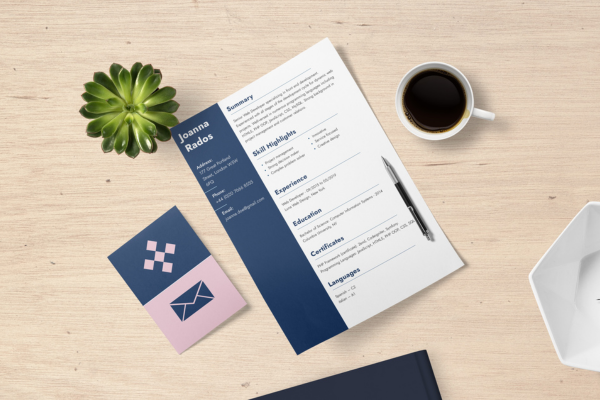
Turn your experience into skill-based bullet points.
-
Use action verbs + results, for example:
-
“Coordinated a 5-person multicultural team to deliver a marketing project on time.”
-
“Adapted to a new academic system and completed 4 group projects with international classmates.”
-
Highlight:
-
International projects
-
Teamwork experiences
-
Presentations or leadership roles
-
Digital tools you used regularly
On LinkedIn
-
Use a headline that reflects your goals and skills, for example:
-
“International Business Graduate | Building Global Career Skills in Marketing & Project Management”
-
-
In your About section, mention global career skills directly, with 2–3 examples.
-
Add projects, certificates, languages, and volunteering to your profile.
In Interviews
-
Prepare 2–3 stories that show your global career skills in action:
-
A time you solved a problem in a multicultural team
-
A situation where you adapted to a sudden change
-
An example of working or studying across cultures or time zones
-
Use the STAR method (Situation, Task, Action, Result) to structure your answers. Focus on what you did and what changed because of your actions.
Common Mistakes International Graduates Make When Talking About Their Global Career Skills
Even strong candidates sometimes hide their strengths without realizing it. Try to avoid these common mistakes:
-
Being too general
Saying “I’m flexible” or “I’m good at teamwork” without any examples. -
Ignoring everyday experiences
Not mentioning part-time jobs, student clubs, or volunteering that clearly show responsibility and collaboration. -
Focusing only on degrees
Talking only about your program, not about projects, presentations, or group work. -
Not adapting your message
Using the same CV or answers for every job, instead of highlighting the global career skills most relevant to that role. -
Undervaluing your international experience
Forgetting that studying and living abroad itself shows adaptability, resilience, and a global mindset – as long as you explain it clearly.

Final Thoughts: Turning Your Global Career Skills into Real Opportunities
Global career skills are not something you’re born with. They’re built step by step, in classes, group projects, part-time jobs, and everyday life as an international student.
If you take time to develop these skills and learn how to communicate them clearly, you will be much better prepared to stand out to employers and turn your international degree into real global opportunities. Start by choosing a few skills from this list, setting one small goal for this month, and begin building the global career you want.
FAQ: Global Career Skills for International Graduates
What are global career skills?
Global career skills are the abilities that help you work effectively in international and multicultural environments. They include cross-cultural communication, adaptability, teamwork, digital literacy, language skills, and self-leadership.
Do I need to speak many languages to build a global career?
Not necessarily. Strong skills in one main business language (often English) plus a global mindset can already take you far. Additional languages are a plus, but they’re only one part of your overall global career skills.
Can I develop global career skills if I don’t have an internship yet?
Yes. Group projects, student clubs, volunteering, online courses, and part-time jobs all help build these skills. The key is to reflect on what you learned and be ready to explain it to employers.
When should I start working on my global career skills?
As early as possible. Your first year is not too early, and your final year is not too late. Start by choosing 2–3 skills you want to improve and take small actions each semester to practice them.