The traditional view of diplomacy often focuses on high-level, private meetings held within formal government settings. For much of history, the profession relied heavily on interpersonal networks, the discreet handling of information, and the adherence to established protocols. However, the modern “room where it happens” has expanded beyond physical borders. Today, critical diplomatic engagements occur across a variety of platforms, ranging from secure digital applications to real-time discussions on global social media networks. One can say that diplomacy in the 21st century has truly been transformed.
The world has become incredibly fast and very loud. Historically, diplomats might have had days or even weeks to craft a response to global events. Now, if an embassy doesn’t tweet or release a statement within an hour of a crisis, they have already lost control of the narrative. This shift has changed the profession from the ground up. It is no longer just about “being a political scientist” in the traditional sense; it is about being a communicator, a tech expert, and a data analyst all at once.
The Transition Toward Technical Expertise
Throughout the 20th century, a foundational education in history and proficiency in multiple languages were the primary requirements for a career in international affairs. These skills provided the necessary context for traditional political negotiations. However, the nature of global challenges has become significantly more technical, requiring a more specialized approach to policy-making.
The primary issues currently facing the international community demand a deep understanding of complex systems:
-
Environmental Policy: Negotiating international agreements on carbon emissions requires a functional grasp of climate science and the ability to interpret environmental data.
-
Digital Sovereignty: Addressing matters of data privacy and national security is difficult without an understanding of how digital infrastructure and server networks operate.
-
Public Health: Managing global health crises necessitates a familiarity with biostatistics and the logistics of global supply chains.
The “soft skills” of the past—such as effective communication and persuasive speaking—remain vital. However, in the contemporary landscape, these must be supplemented by “hard skills” to ensure that policy decisions are grounded in technical realities.
Why Data is the New Secret Weapon
Perhaps the biggest change in the field is how we use information. In the old days, information was scarce. While political scientists once spent their time trying to uncover facts, today’s challenge is the opposite: an overabundance of information. There is so much data flying around that the real skill is figuring out what actually matters.
This is where data science comes into the picture. Modern foreign policy is becoming “evidence-based.” Instead of relying on basic analysis about how a country might react to a trade deal, political scientists are using data models to predict outcomes. They look at satellite imagery to track migration patterns, or they use sentiment analysis to see how a foreign public feels about a specific policy.
Using data in this way makes diplomacy in the 21st Century much more precise. It allows a government to see a crisis coming before it actually breaks out. For example, by monitoring food prices and water levels through data, an analyst can predict potential unrest in a region months in advance. This gives leaders a chance to step in with aid or mediation before things turn into a conflict. Data does not replace the political scientist, but it gives them a much better map to navigate by.
Digital Diplomacy: More Than Just Digital Presence
Digital diplomacy extends far beyond just announcing updates or maintaining basic communication. It is about how a nation builds its “brand” and talks directly to people around the world.
In the past, if a country wanted to influence the citizens of another nation, they had to go through that nation’s government or media. Now, they can go straight to the people. This is a huge power shift. A well-run digital campaign can make a country look like a leader in innovation or human rights, which in turn gives them more “soft power” during real-world negotiations.
However, this digital world is also dangerous. Disinformation and “fake news” can circulate globally before a policymaker has even finished their morning coffee. Part of the job now involves “digital defense.” Those working in politics have to be able to spot a misinformation campaign and shut it down before it causes real diplomatic damage. This requires a level of tech-savviness that simply wasn’t part of the job description twenty years ago.
The Power of Networks and New Actors
Another thing that has changed is who is actually an actor in international diplomacy. It is not just countries anymore. To address global issues like internet privacy, involving only governments is no longer sufficient. You have to get in touch with the big tech companies. If you want to solve a health crisis, you have to talk to international NGOs and private foundations.
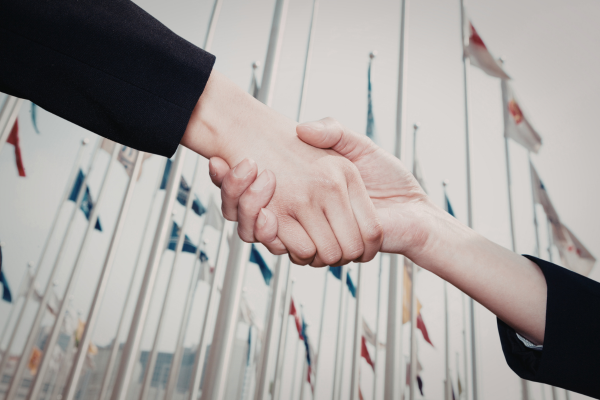
Diplomacy in the 21st Century is about being a “network weaver.” You are no longer just representing your country to another country. You are building coalitions between governments, businesses, and activists. This is often called “multi-stakeholder diplomacy.” It is a messy, complicated way of working, but it is often the only way to get things done in a globalized world. The best political scientists today are those who know how to bring a CEO, a scientist, and a politician together to agree on a single goal.
Keeping the Human Touch
With all this talk about data, digital platforms, and tech companies, you might wonder if the human element still matters. The answer is a resounding yes. In fact, in a world dominated by screens and algorithms, the human touch is perhaps more vital than ever.
At its core, diplomacy is about trust. You can look at all the data in the world, but you cannot build a relationship with a computer. The most effective work still happens over a cup of coffee or in a face-to-face meeting. Understanding someone’s culture, their personal history, and their fears is something that AI cannot do. The goal for a modern leader is to use technology to handle the “what” (the facts and data) so they can spend more time focusing on the “why” (the human motivations).
✅ Request information on BAU's programs TODAY!
The Path Forward: Data Science and Public Policy
If you are looking at the current state of the world and thinking about how to make an impact, you have to realize that the old paths are changing. The most successful people in international relations today are those who can bridge the gap between “the numbers” and “the people.” They are the ones who can read a data report in the morning and lead a negotiation in the afternoon.
This is exactly why programs like the Master of Science in Data Science and Public Policy at Bay Atlantic University (BAU) are so important right now. This program is not just for those interested in a career in tech or politics. It is designed for the new reality of political science in the 21st Century. It takes students who want to change the world and gives them the technical tools to actually do it.

At BAU, the curriculum focuses on how to use big data to solve public problems. You learn how to take a massive amount of information and turn it into a policy that actually works. Whether you want to work for the UN, a government agency, or a global non-profit, having a degree that covers both data science and public policy is like having a superpower. It enables you to speak the language of the future while respecting the traditions of the past.
In a world where every decision is backed by data, being the person who knows how to use that data is the best way to lead.
Conclusion
The world is not going back to the way it was. The speed of information will only get faster, and the data will only get bigger. Diplomacy in the 21st Century is a challenge, but it is also an opportunity. It is a chance to use new tools to solve old problems like conflict, poverty, and inequality. By combining the latest data skills with the timeless art of human connection, the next generation of global leaders can build a world that is more transparent, more efficient, and a lot more peaceful.
FAQ: Modern Diplomacy and Policy
What skills are most important for politics and diplomacy in the 21st century?
While traditional skills like negotiation and foreign languages are still important, you now need a strong understanding of data analysis, cybersecurity, and digital communication. Being able to interpret data is a major advantage in any policy role.
Is it hard to learn data science if I studied politics?
Not at all. Many of the best data-driven policy analysts come from social science backgrounds. Programs like the MS in Data Science and Public Policy at BAU are built to help students from all backgrounds master the technical tools they need.
How does data help with public policy?
Data allows policy makers to see what is actually working and what isn’t. Instead of guessing if a program will help people, you can use data to measure its impact and make adjustments in real time.
What is the difference between traditional diplomacy and digital diplomacy?
Traditional diplomacy usually happens behind closed doors between government officials. Digital diplomacy happens in public, using social media and digital platforms to influence people and build a country’s reputation globally.
Why is a STEM-designated program like BAU’s better for this career?
A STEM-designated program (like the MS in Data Science and Public Policy) shows employers that you have high-level technical skills. It also offers specific benefits for international students in the U.S., such as extended work opportunities (OPT) after graduation.